
MARGAO, INDIA: It takes time to get used to the shifting rhythms of Goa. To wake up late, to savour the rays of the sun slanting in from the corniced roofs of the Margão railway station and to hesitantly go out for a run circumnavigating the town, which ends at 10km, is perhaps the only way to fit in. That the bars were open at 9 in the morning, and the pubs were in business by 11, was no shocker as long as life smelt good behind the railway tracks. The chapel of Santa Cruz – disused by mold and disenchanted by repairs – looked askance as you stood vomiting the last dredges of buttered garlic fried rice from Longuinhos. The serra durra, surprisingly, remained intact.
***
To drive out of Mopa with the distant shores of Margão in mind was to cross the once-cashew-filled forests green with envy; that any of the said cashews remain to supply a hint of stiffness to feni was due to the largesse shown by the government. Of course, the farmers who lost their land have now moved south of the fort of Cabo De Rama, fat in the wallet and midriff, cruising the paths of life in mansions they could once only have dreamt of.
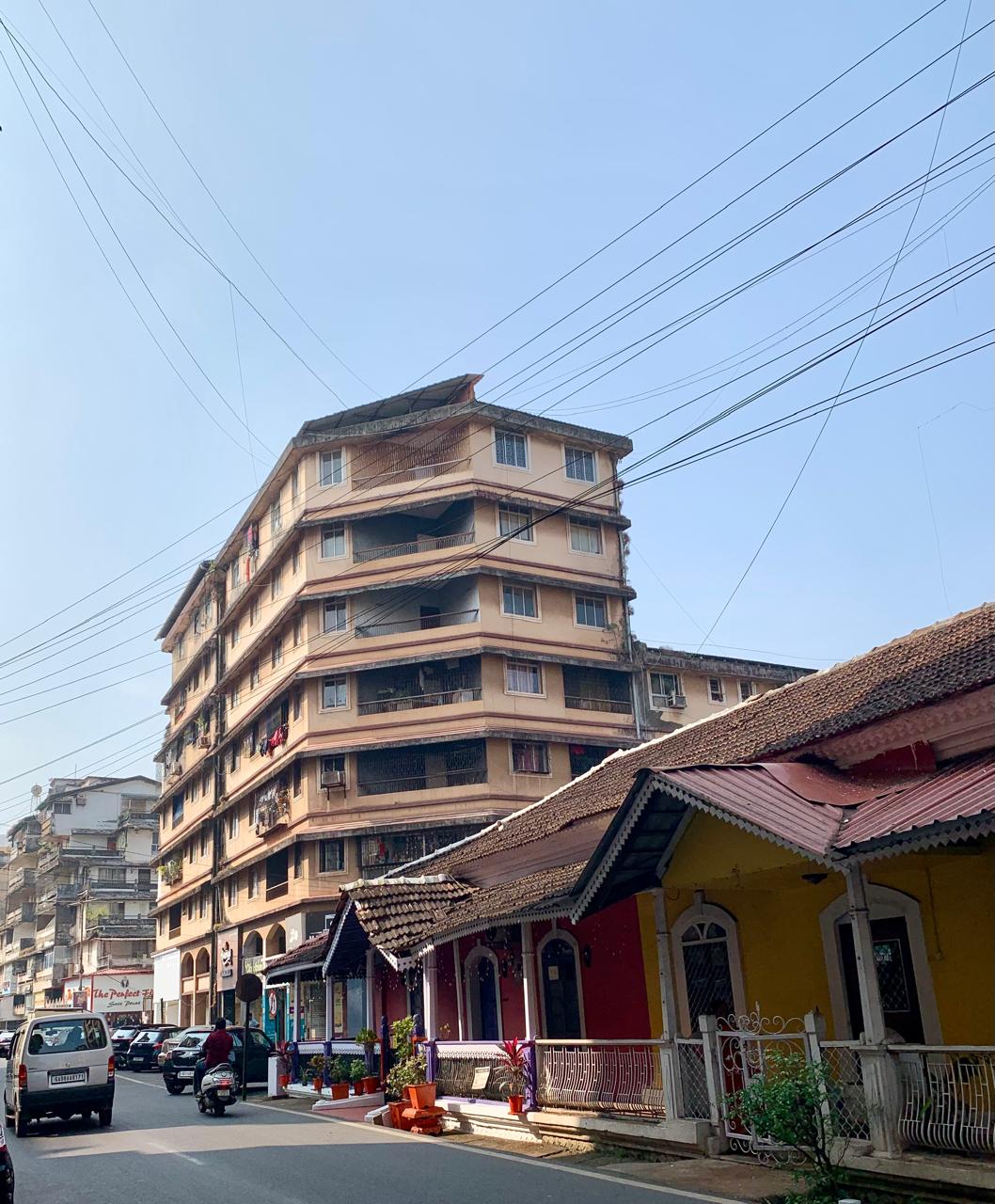
Margão appears too quickly, almost as if its ochre-coloured buildings are not that reluctant to be seen. The Portuguese, who built it, left it intact after being driven out in 1961, and the municipal building at the centre of town stands as a testament to their goodwill. The town is too close to my heart to be left as a footnote; it was here, on an incursion from the fishing village of Palolem three years ago, that I re-read Vikram Seth (From Heaven Lake) and firmly grasped why my own foray into travel writing, Seeking Kathmandu, was no better than an attempt at juvenilia.
It was also here that I first tasted xacuti and vindaloo; it was here that I had understood what it meant to be lost. The only regret that remains is my inhibition towards cafreal, which I shall miss this time too. The northern neighbourhood of Fatorda, of course, houses the historic stadium where all of Goa used to congregate in the past; reduced to a sport whose roots can no longer be separated from its tentacles, football’s overreaching presence in households is slowly fading away. On a Sunday, the town is quieter than many others of its size would be.
Churchgoers, dressed to their best for gallivanting in cafes after mass, look oddly similar to the friars whom I had only read of from Ken Follett. Cafe Navtara, where the waiters recognise me by now (who wouldn’t after ten visits in four days?), escapes this joie de vivre, and I remain content tucking into another dish of patal chana bhaji, after being disheartened by a similar lack of diplomacy at Cafe Tato, which had been sung about quite often. Ceskaz Deli and Caravela lay claim to being the sole European-style cafes in town, where, in the evenings, the pretty things in town – all six of them – gather to discuss errant boyfriends and Narendra Modi.
***
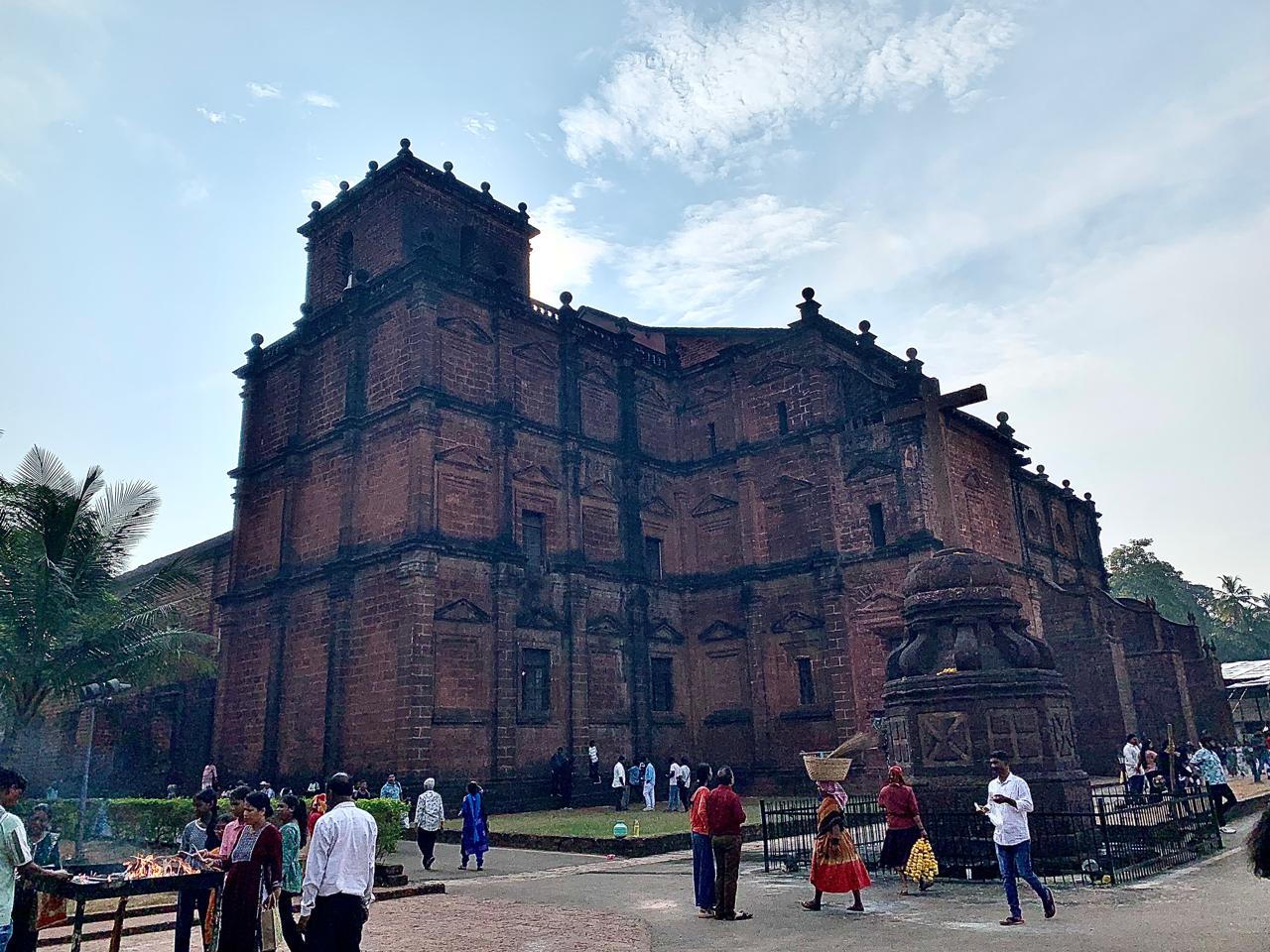
In Velha Goa, the layout of the town, more than the enormity of the churches, surprises me. The Basilica of Bom Jesus, built of red laterite, houses the body of St Francis Xavier, but it is its size that surprises, and then confounds me. The saint’s body is intact, just as it was when he passed away in 1552. The public viewing every ten years attests to the fact, but theology insists upon his miraculous powers more firmly than in the science of embalming, of which I had the fortune of seeing firsthand in Hanoi – Ho Chi Minh.
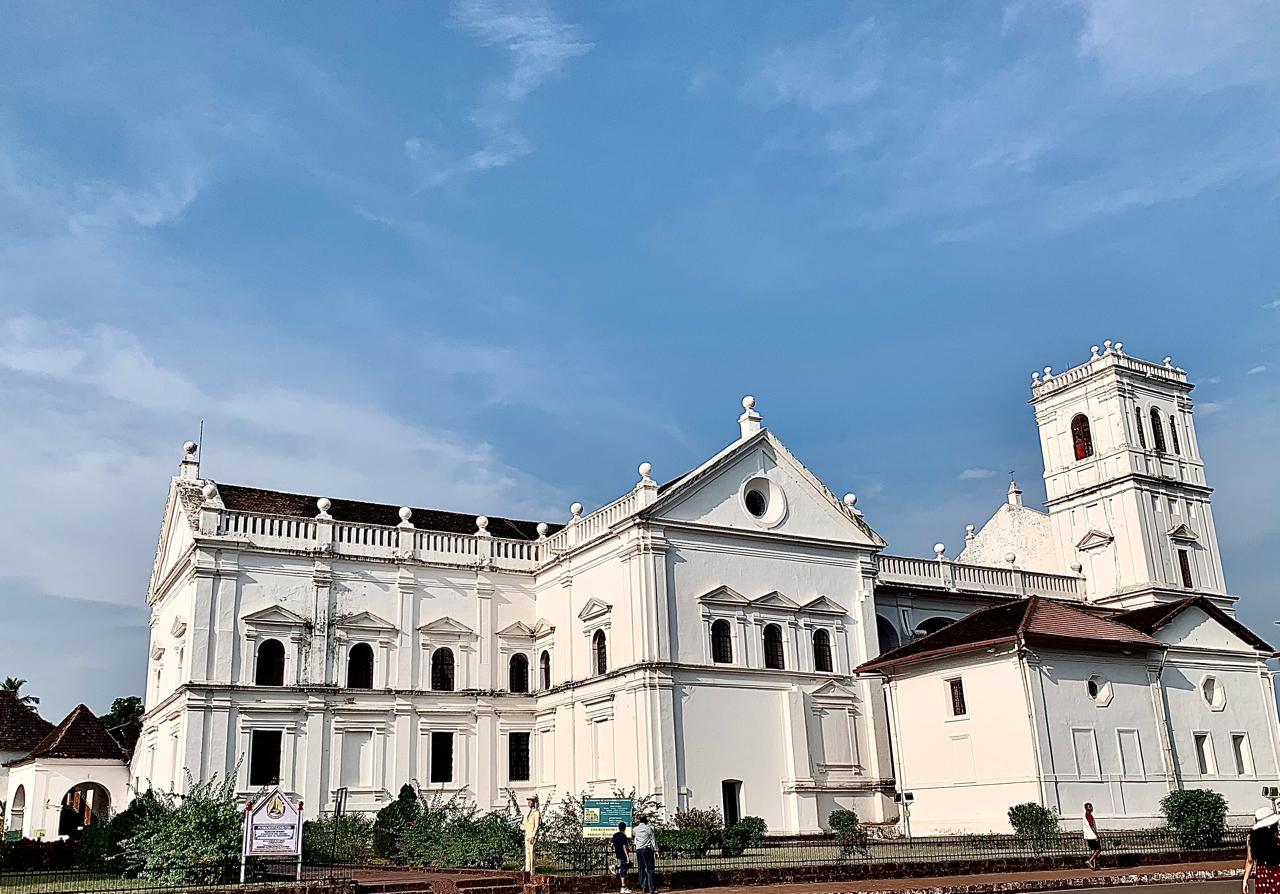
Sé Cathedral, located opposite the basilica, is often claimed to be the biggest church in Asia, and is equally impressive, if not more. The church is dedicated to St Catherine of Alexandria (not to be confused with St Catherine of Siena, famous for “all the way to heaven is heaven”). To see this church built was one of the wishes of Afonso de Albuquerque, who is admired and derided second only to Vasco da Gama in Lisbon. The male attendant operating the gates of the museum behind it flirts incorrigibly with the female assistants doling out tickets. The latter hail from Gwalior in Madhya Pradesh, and, belittling his advances, care only about looking forward to being transferred closer home.
***
When I am back at the Fatorda, Manolo Marquez, whose cause of Catalan independence I have been particularly sympathetic towards, offers me a lemon tart as a parting gift. Thangboi Singto, perhaps the only man who loves me in Indian football, embraces me as he would his son.
“You look even more handsome than usual,” he charms me off my feet, pointing to my long, cascading hair.
I take his blessings and start for home – wherever that might be – remembering the fond pat on my head of the old fisherwoman whom I had helped cross the road late one afternoon in Margão. When I am tired and dream of the faith that could have moved me had I been alive to its appeals, I recollect only these prayers.
If you like my work, consider visiting my website to get in touch with more of my writing. You can follow me on X as well. Also, sign up for the newsletter to get regular updates coming your way. I would love to talk to you!


 Soliloquy
Leave a comment