This post is dedicated to Cambodia, where I was extremely fortunate to travel in earlier this year. A vital part of Indochina, and a former colony of France, Cambodia today is a vibrant and hopeful nation that intermingles culture, tradition and modernity effortlessly. Although years of moral turpitude from its leaders have seen the nature of the country shrink in an ethical sense, one gets the idea that a new generation of Cambodians is coming through the ranks to change things for the better.
While literacy remains a challenge and education a far-fetched dream for many, the country is slowly re-building itself from the Pol Pot years, which shook its very core and dismantled its soul. Cambodians today are a proud people, although many are quick to seize the opportunity to regale the foreigner with tales one can only find in such pockets of Southeast Asia that remain unpenetrated by the lack of Western ethos. What aided me all the more was the close resemblance to India’s heritage that Cambodia shared, including the monumental town of Angkor, once left to the jungle but now thriving as perhaps the single-largest tourist-driving entity in the country.
Travelling in the country moved me enough for an essay to be written about it, but this post, on my blog, is primarly driven by photographs.
The Tuol Sleng primary school building, which was used as a detention centre for intellectuals and suchlike in the Pol Pot yearsin Phnom Penh.
A memorial honours those who were tortured to painful deaths inside the detention centre in Phnom Penh.
Another memorial stands – almost with the dignity of a living being – on the grounds of the Choeung Ek Killing Fields outside Phnom Penh where the Khmer Rouge routinely sent detainees to be killed and buried, often for no fault of theirs but for knowing how to read and write, or wearing spectacles – all intellectuals were considered enemies of the state.
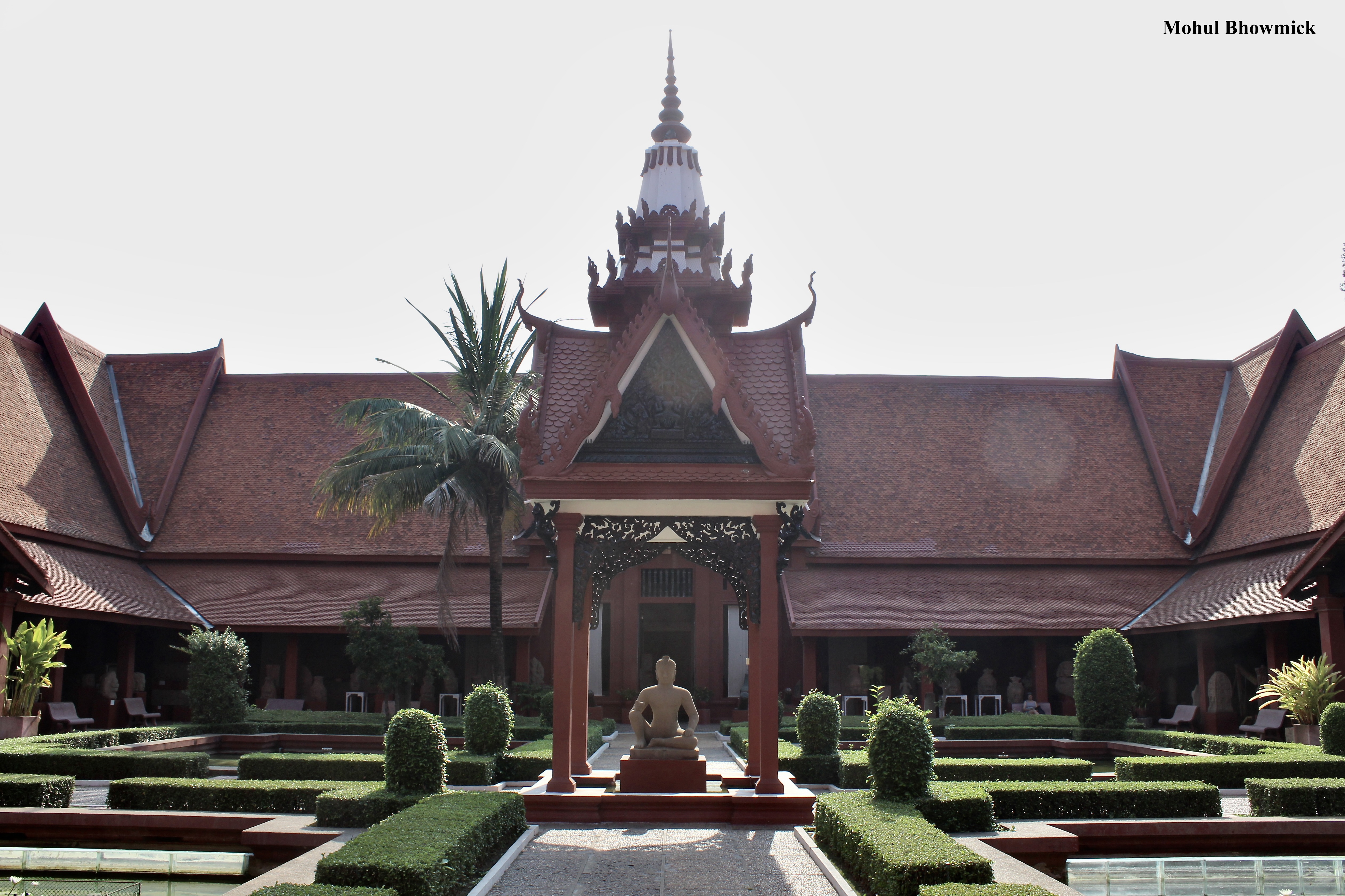
Much less painful is a visit to the national museum of Cambodia, housed on the grounds of the royal palace in Phnom Penh.
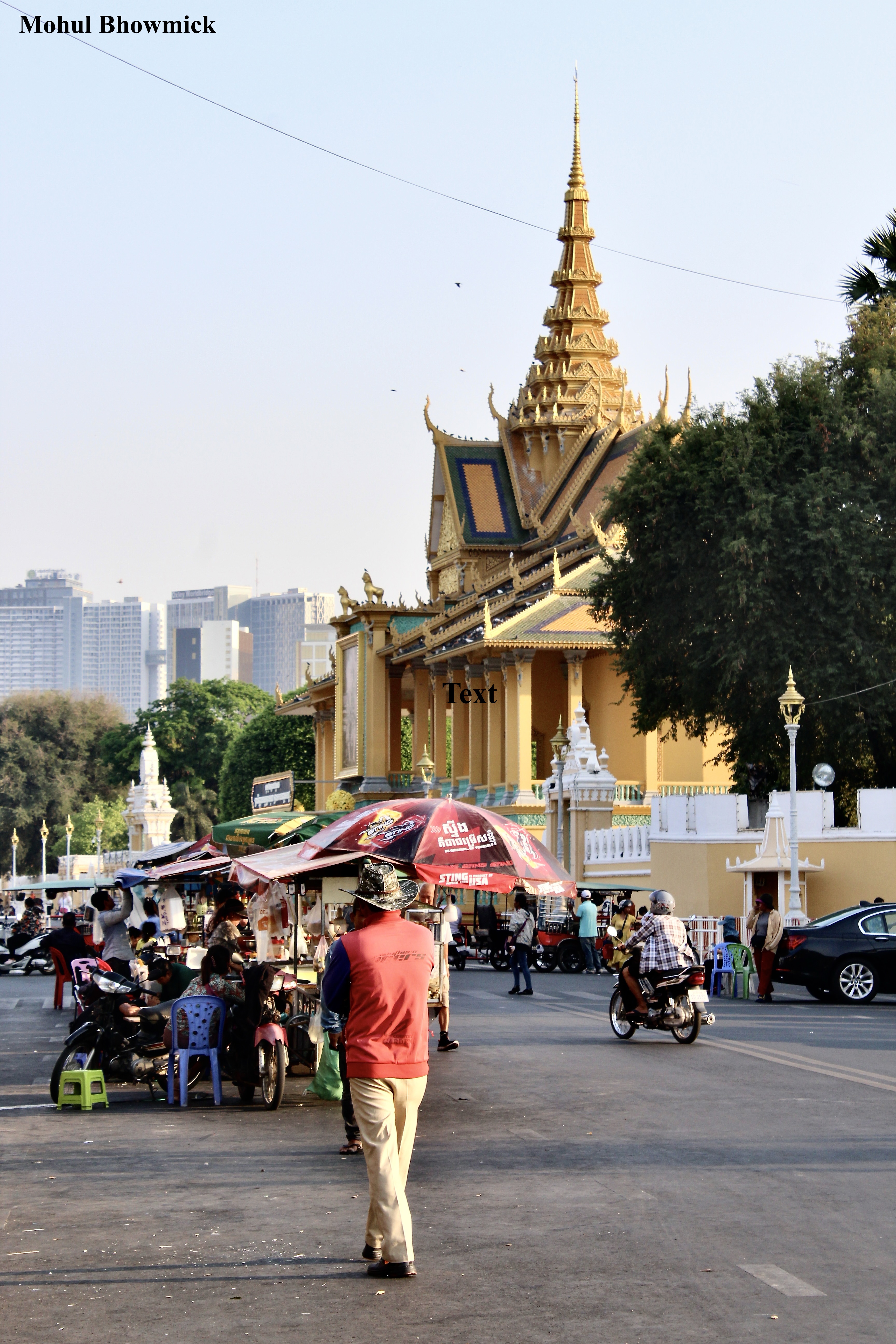
Hawkers ply their trade in front of the royal palace, from where Cambodia’s king Norodom Sihamoni looks on indifferently– he is known to be fond of Czech operas.
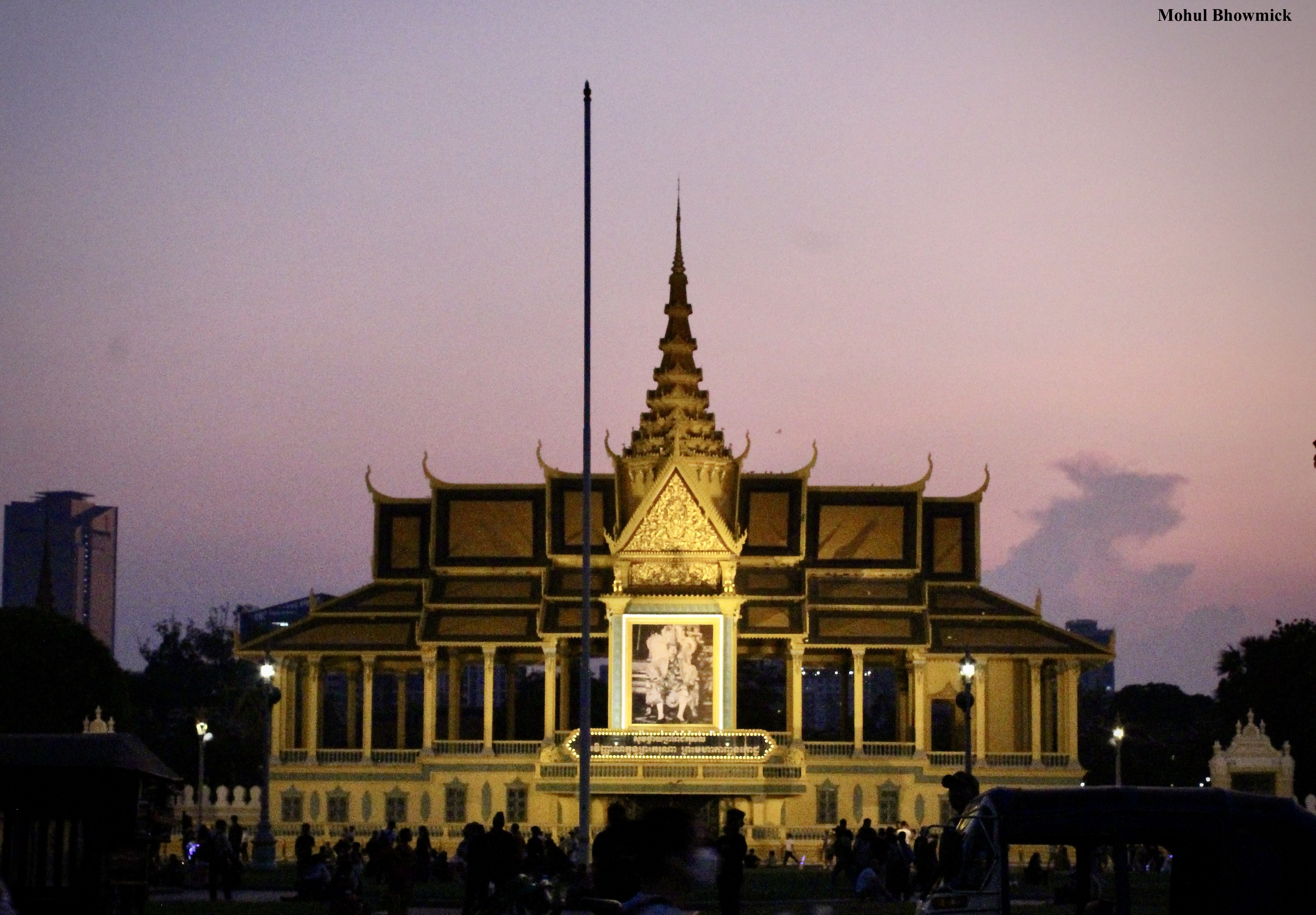
The facade of the royal palace in Phnom Penh lit up at dusk.
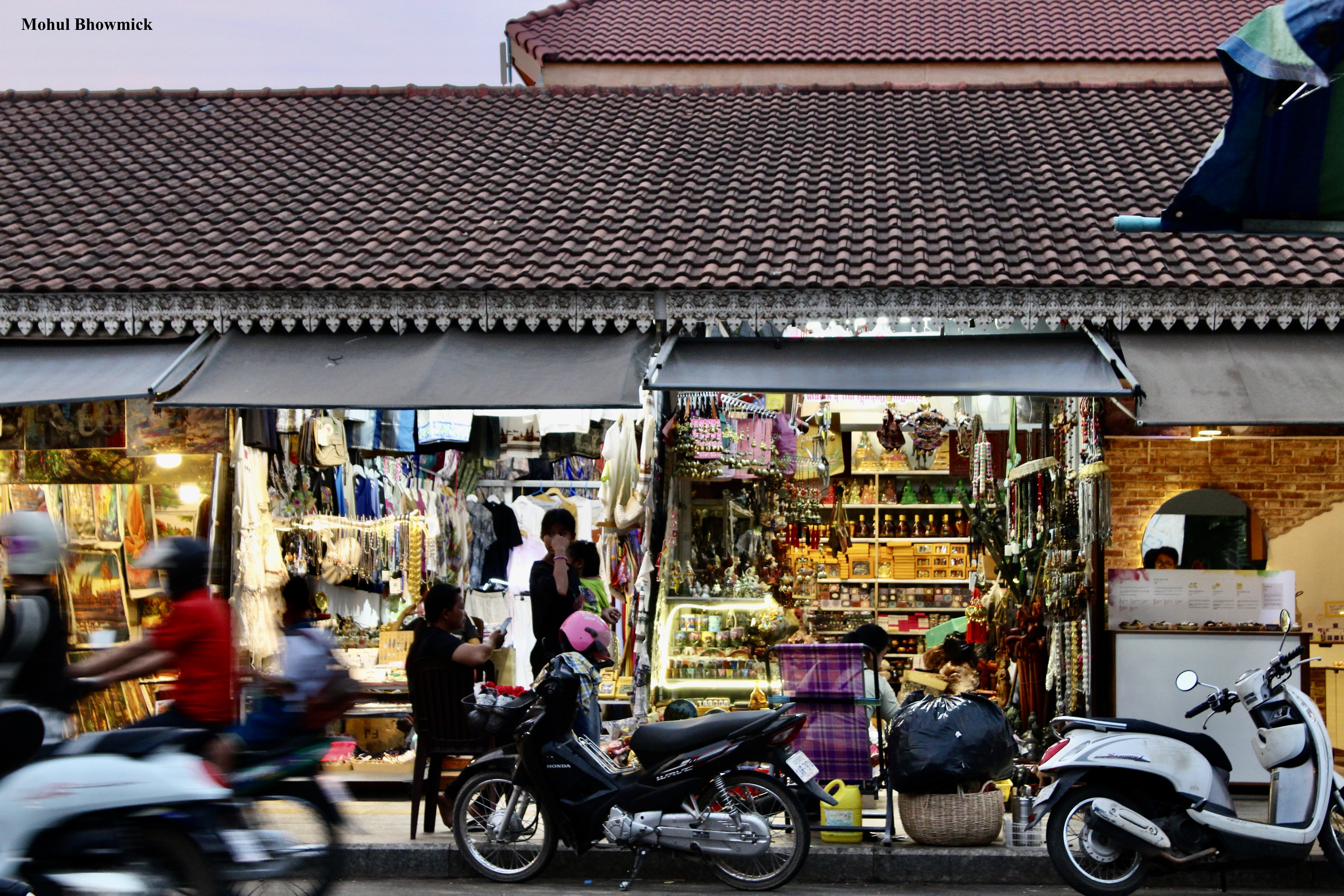
The bustling markets of central Siem Reap betray little of what one can expect from its sleepy neighbour Angkor.
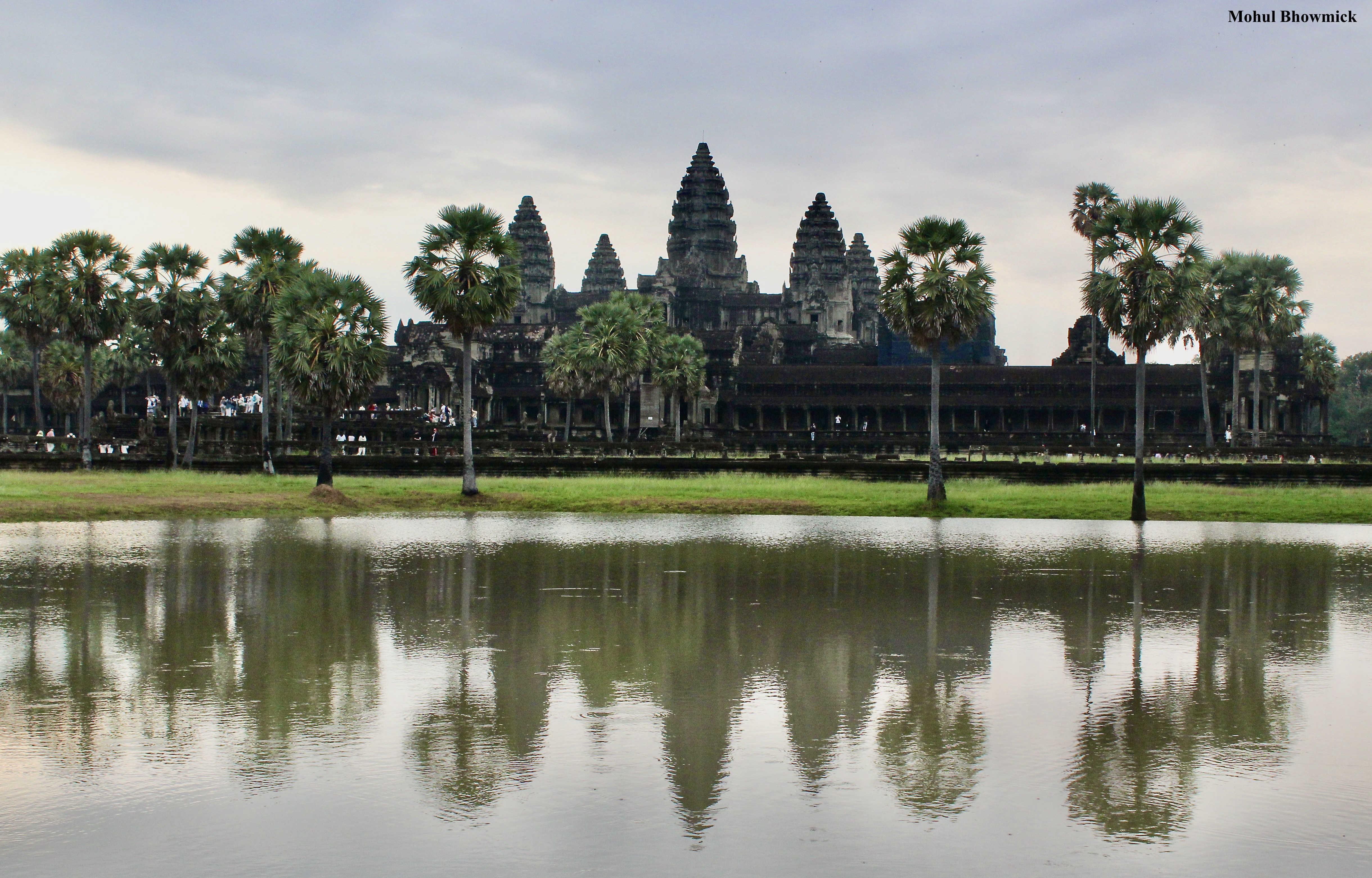
There are far fewer things in life worthwhile enough to wake up at dawn and make a beeline to see than the sunrise over the iconic Angkor Wat.
Buddhism, and its proponents, have long remained enigmas – even attractions – in the eyes of the West.
Seeking the light in one of the darkened hallways of Angkor Wat.
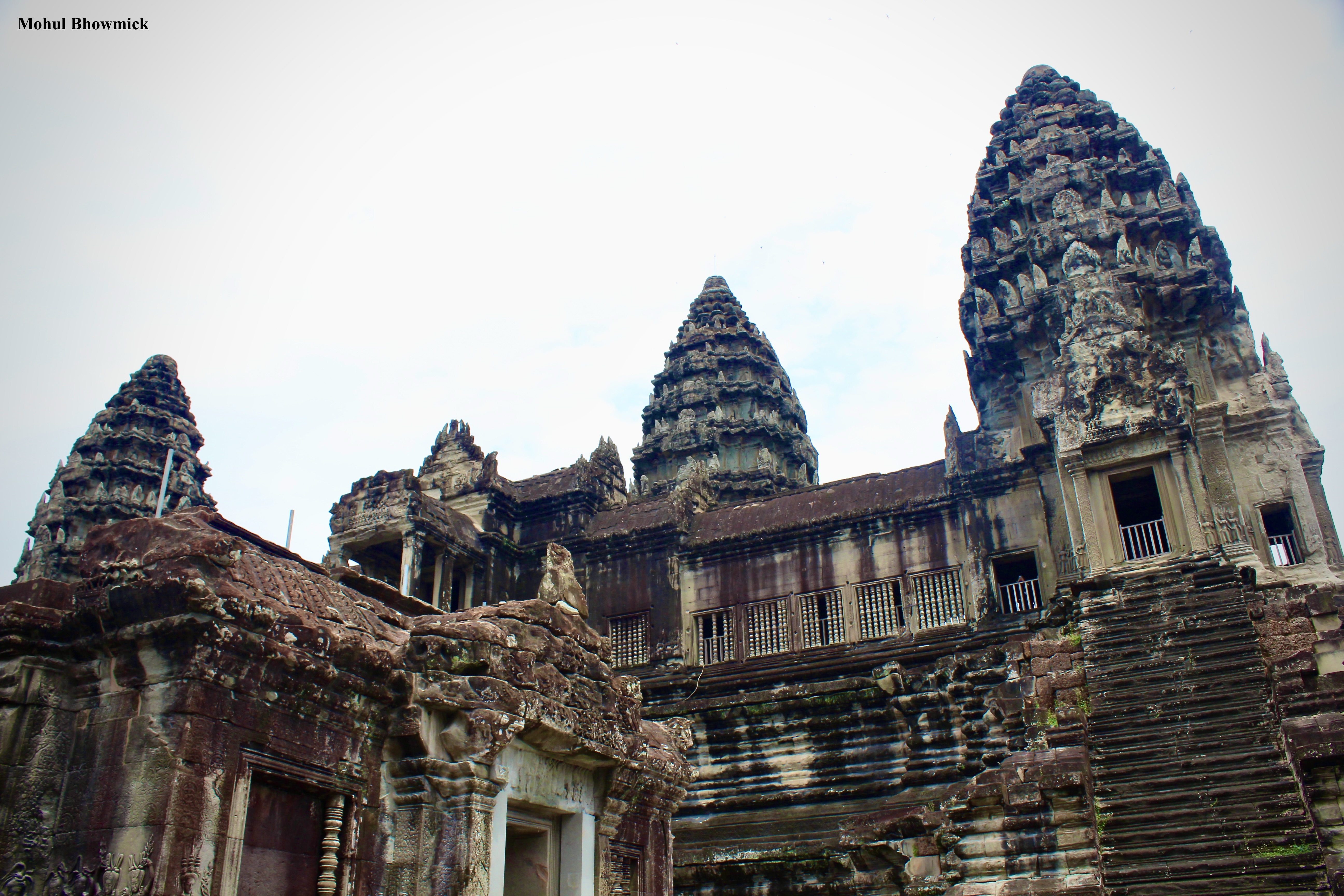
The gopuras of Angkor Wat, shaped as southern Indian Hindu temples, remind me of home.
One is welcomed by structures of such monumental relevance on the gates of the ancient city of Angkor Thom, which possesses temples and buildings almost as important as Angkor Wat.
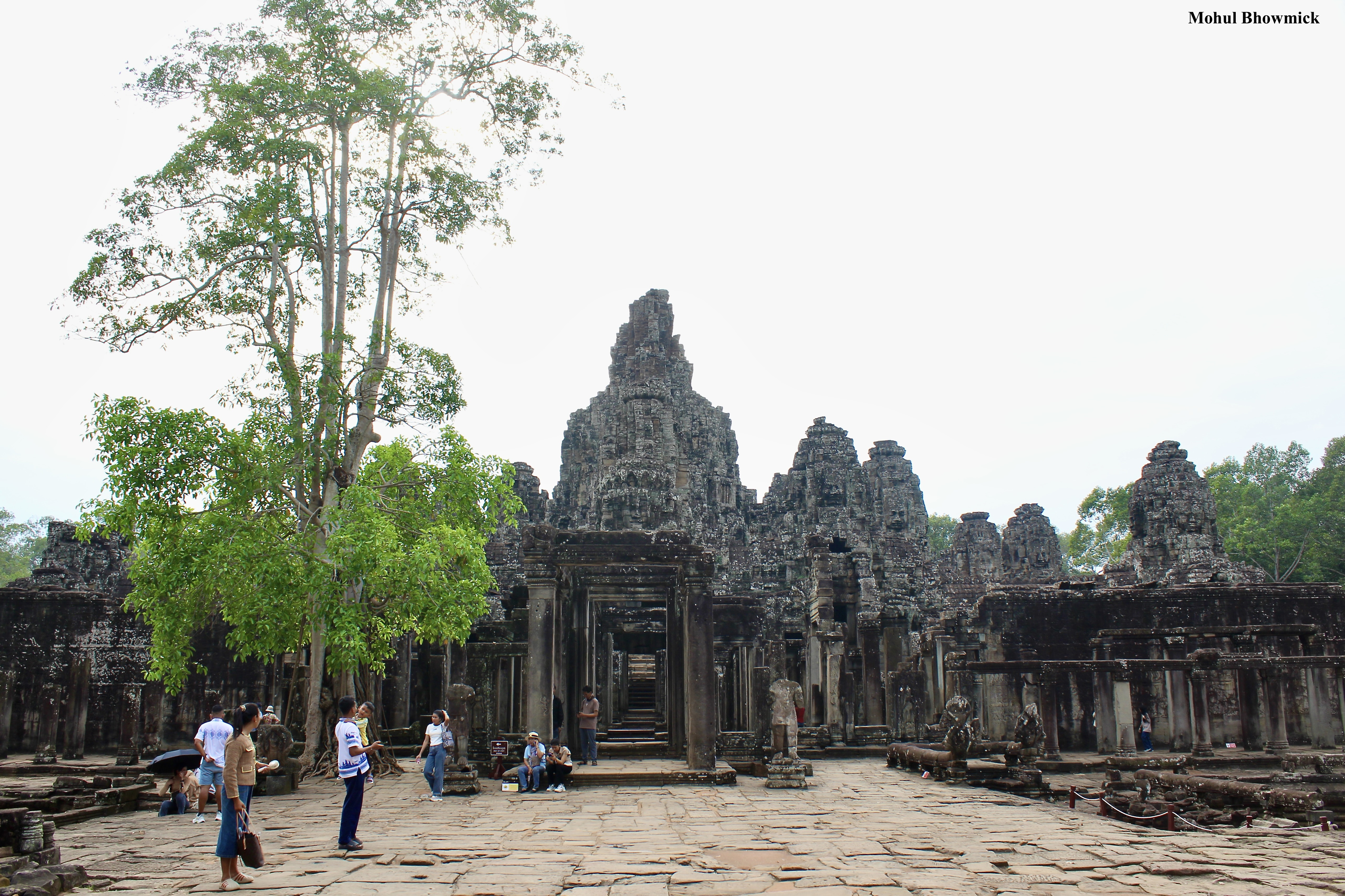
The temple of Bayon is perhaps intentionally left disproportionate, for the better to fool the iridescent tourist.
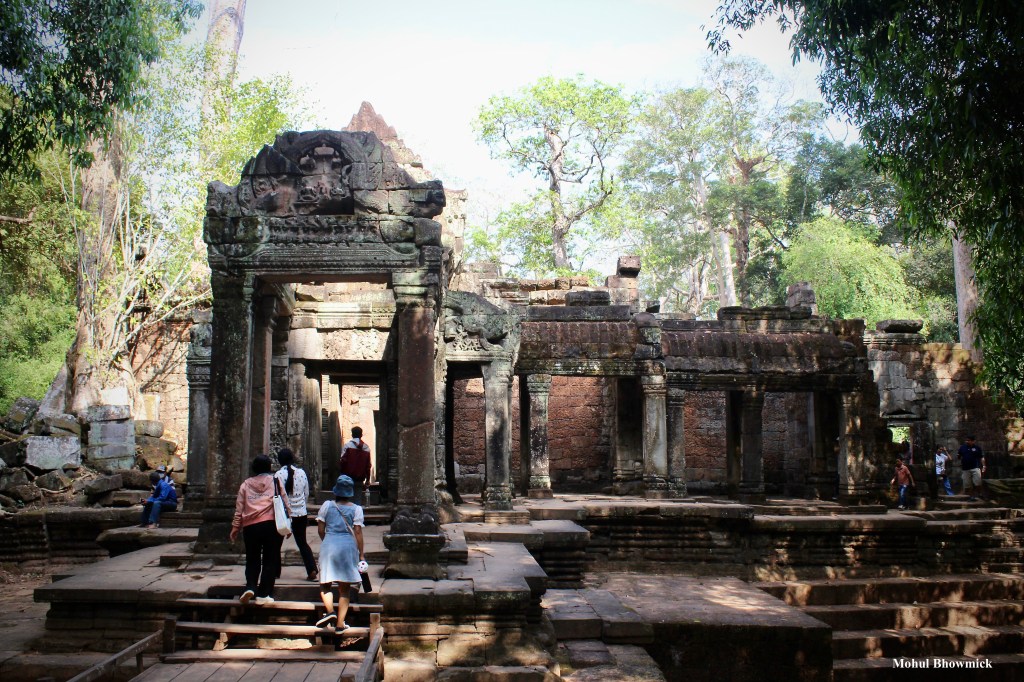
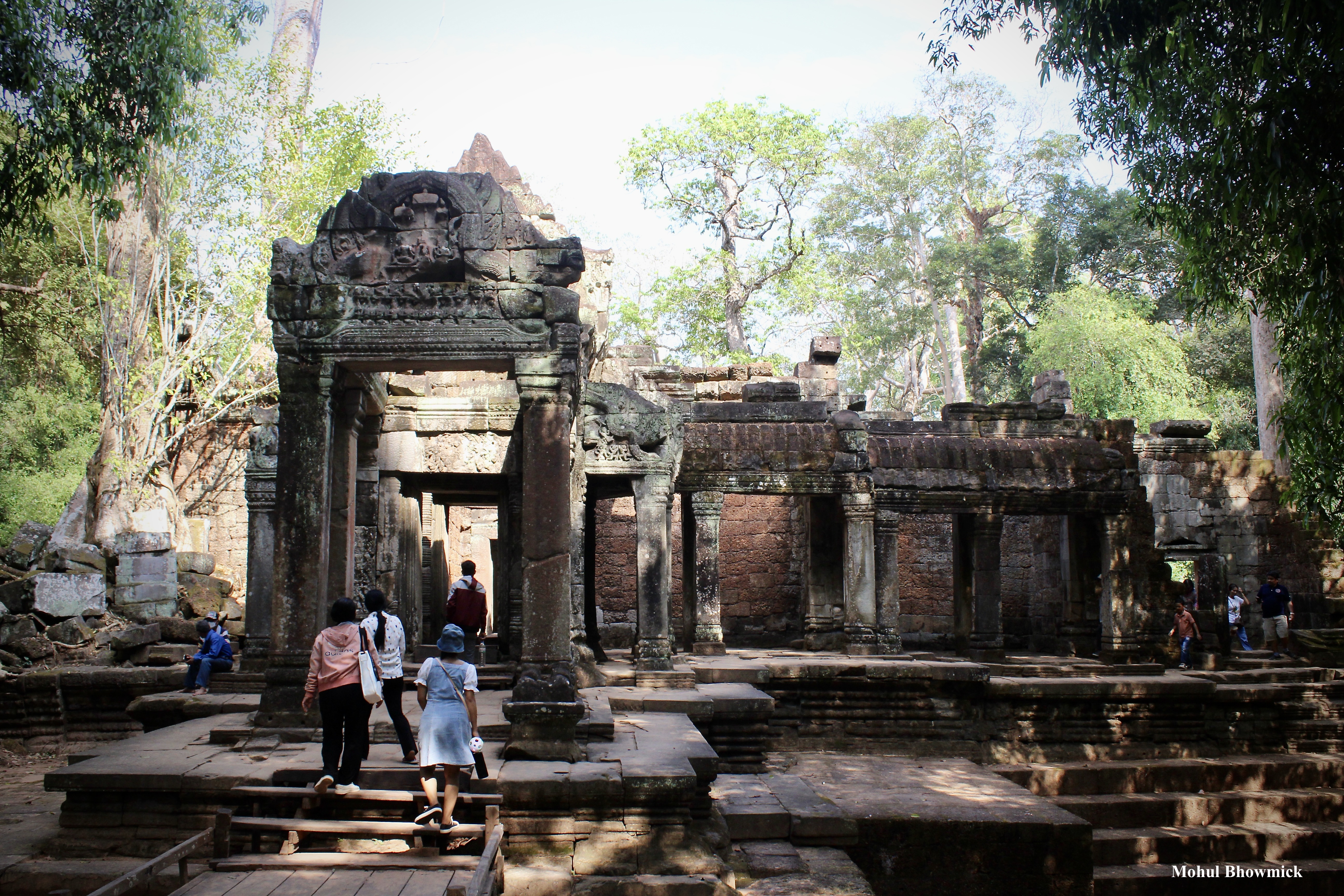
Ruins surround the traveller everywhere inside the old town of Angkor Thom, but very few are insignificant.
The Ta Prohm temple has become popular over the yearspurely because of the several trees growing through its buildings.
If you like my work, consider visiting my website to get in touch with more of my writing. You can follow me on Twitter as well. Also, sign up for the newsletter to get regular updates coming your way. I would love to talk to you!
All rights reserved. No part of Soliloquy may be reproduced, distributed or transmitted in any form or by any means without the prior written permission of the author.







 Soliloquy
Leave a comment