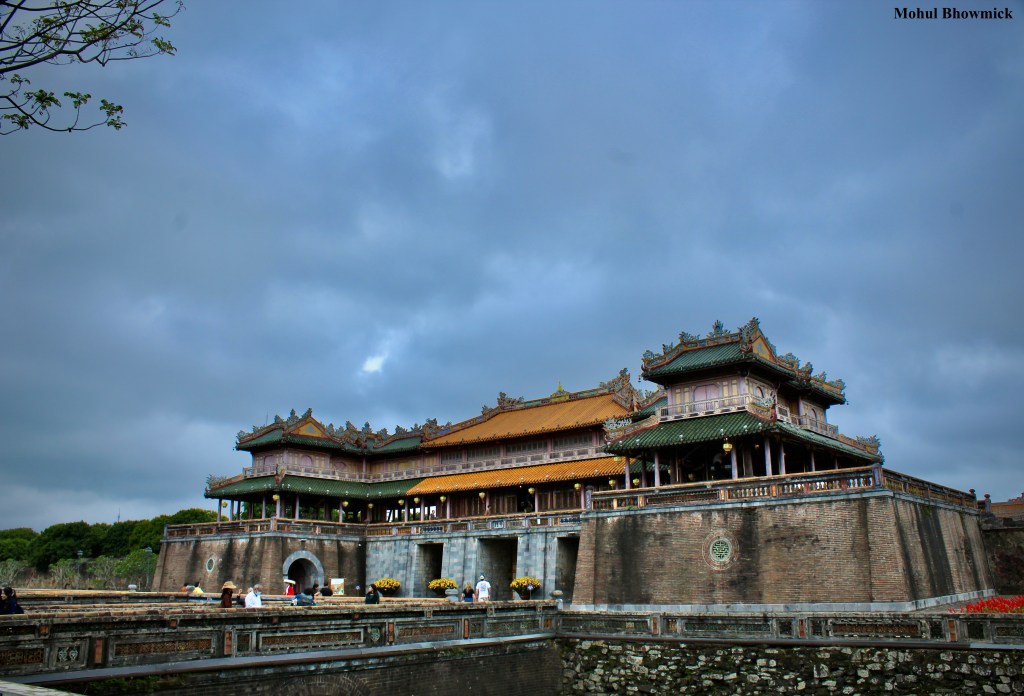
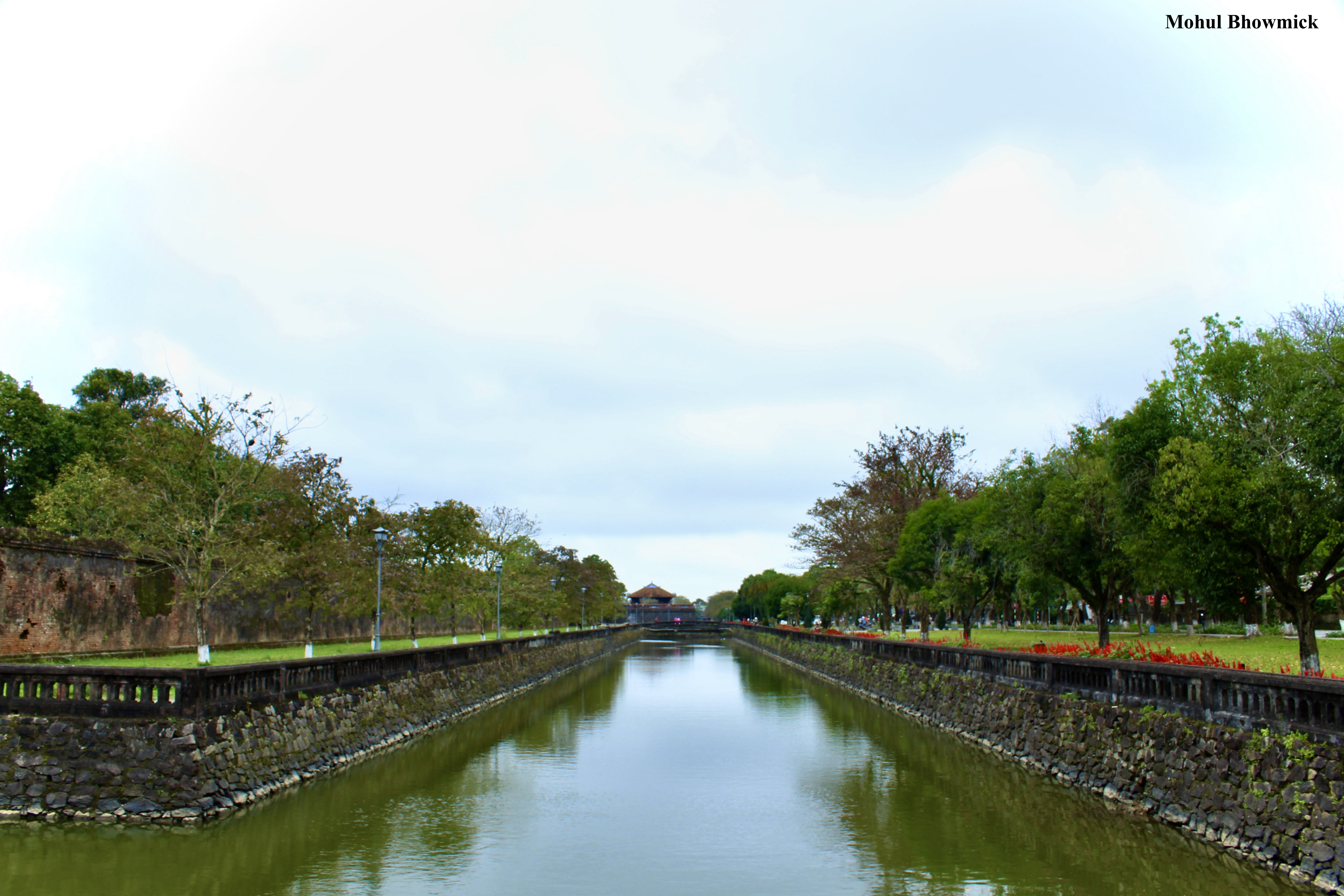
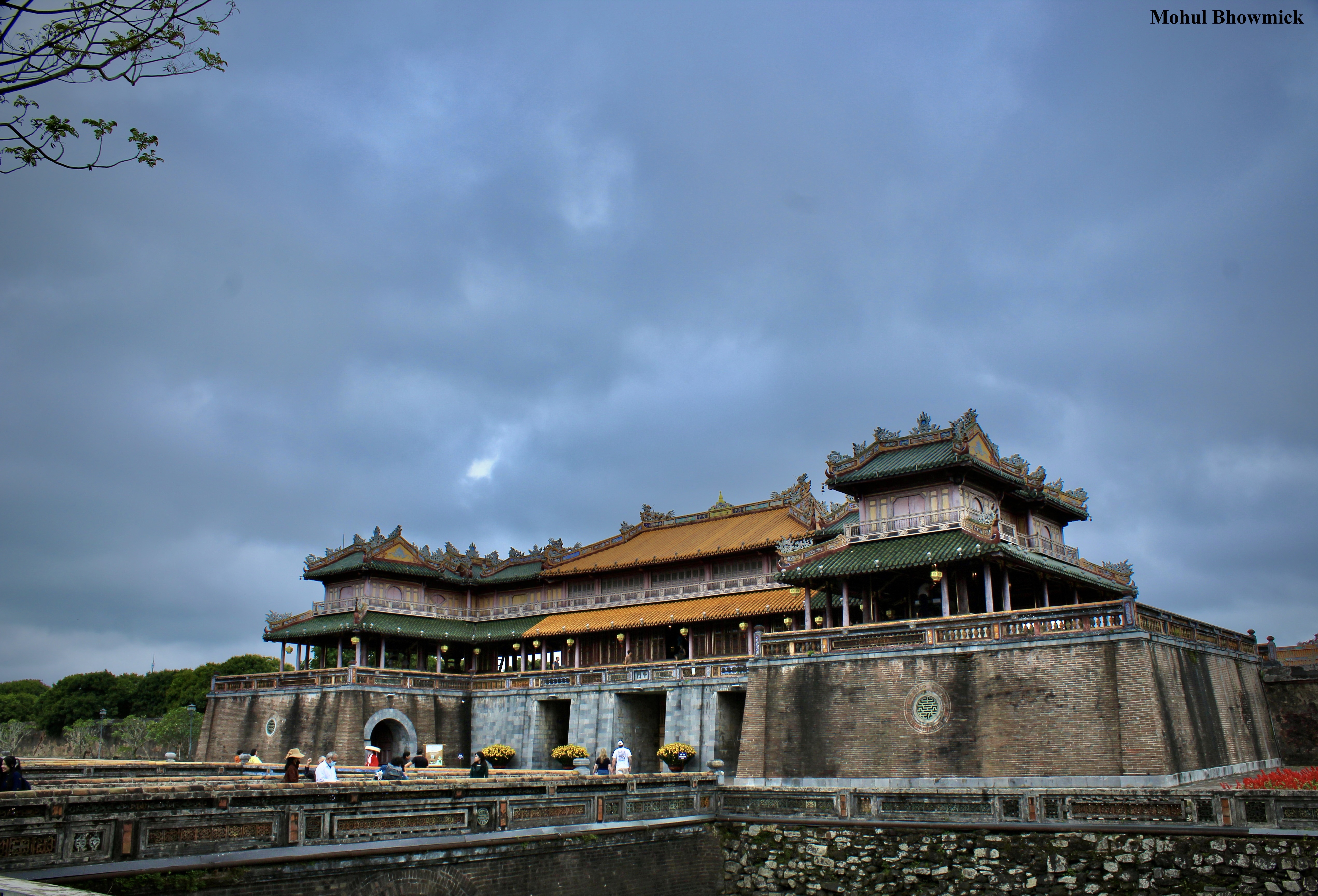
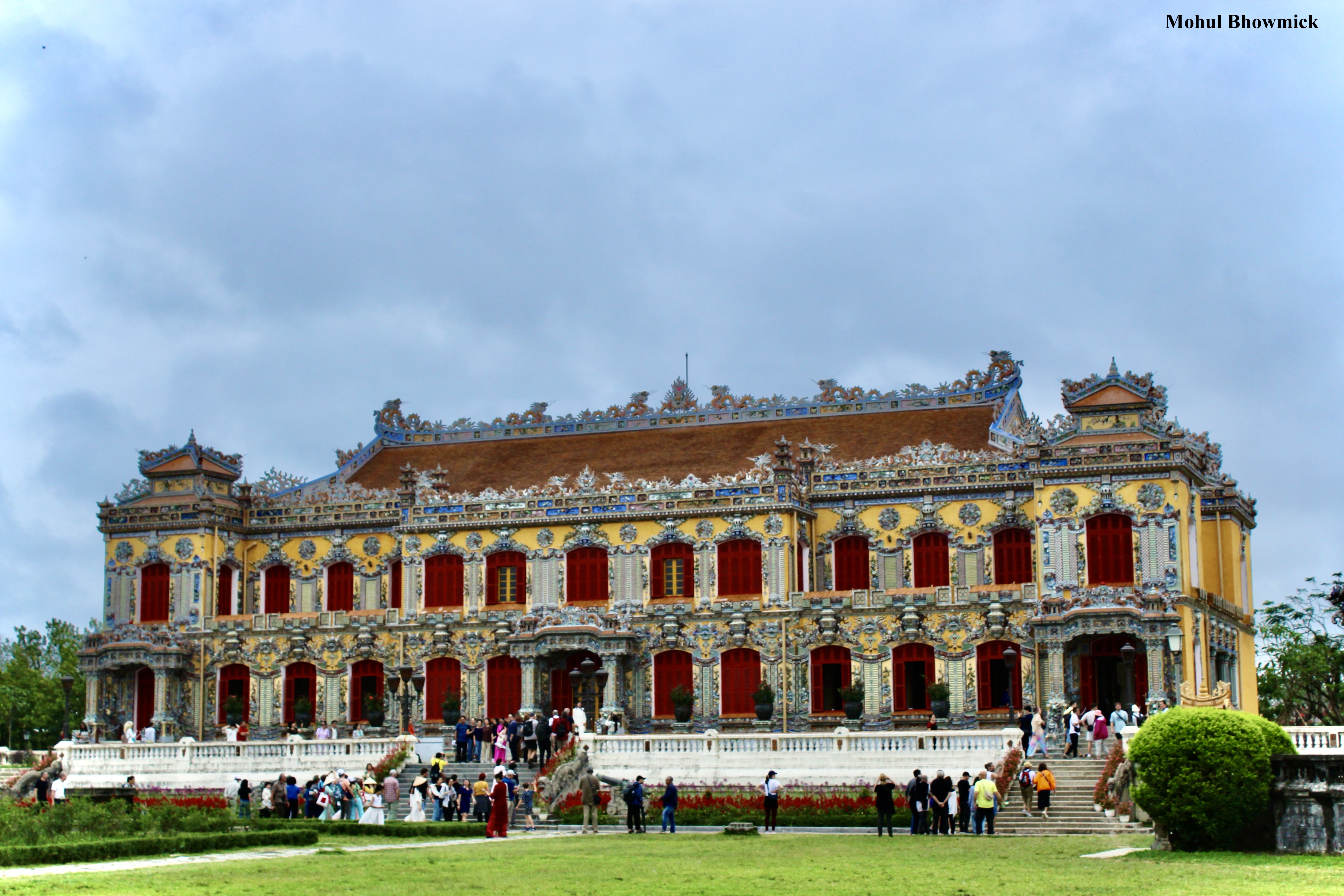
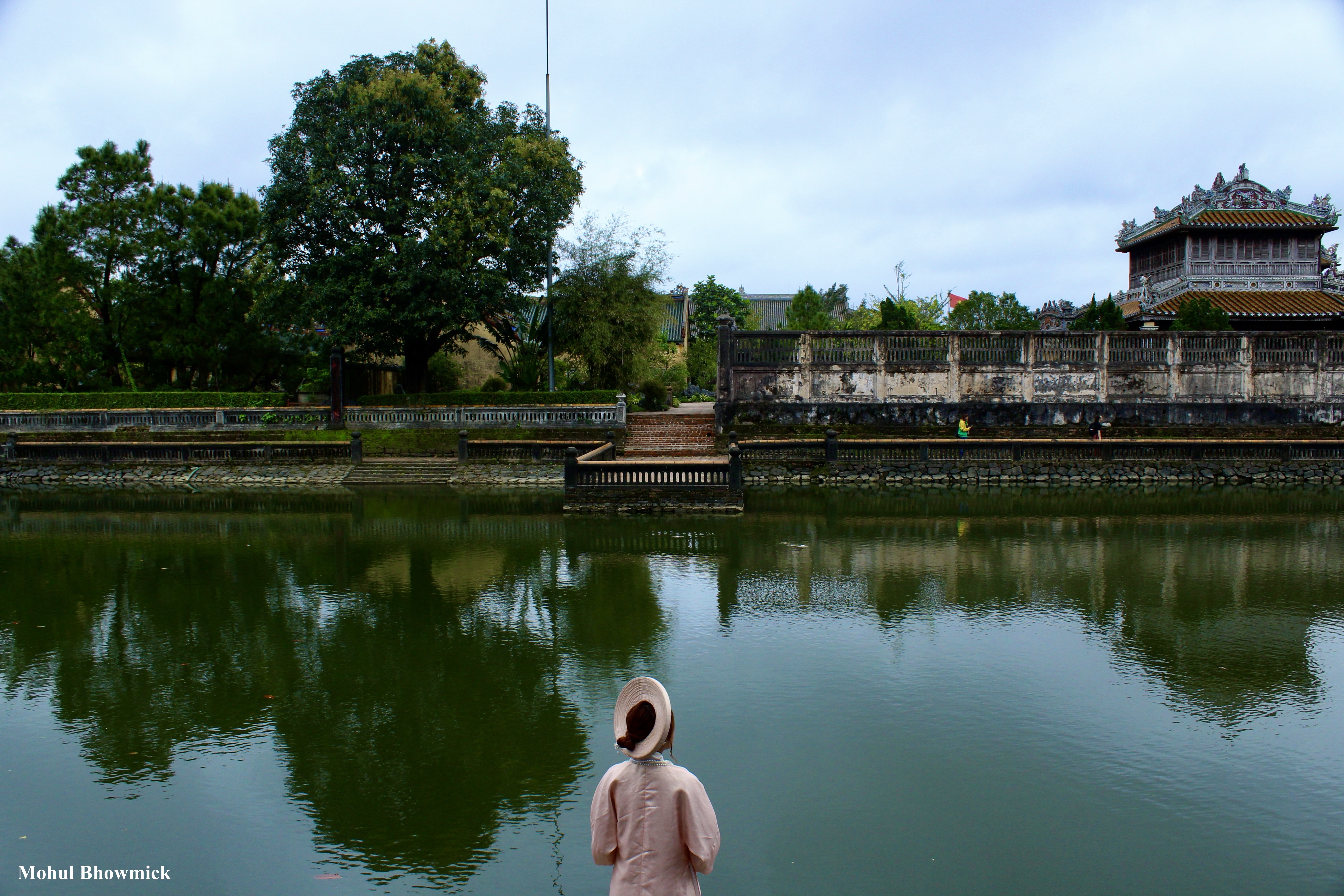
This post is dedicated to the city of Hue in central Vietnam, located perilously close to the former Demilitarized Zone (DMZ) which bifurcated the country into half. Hue was the capital of the Nguyens, the dynasty that ruled Vietnam before the arrival of the French colonists and hence, boasts of royal tastes in its architecture, cuisine and lifestyle.
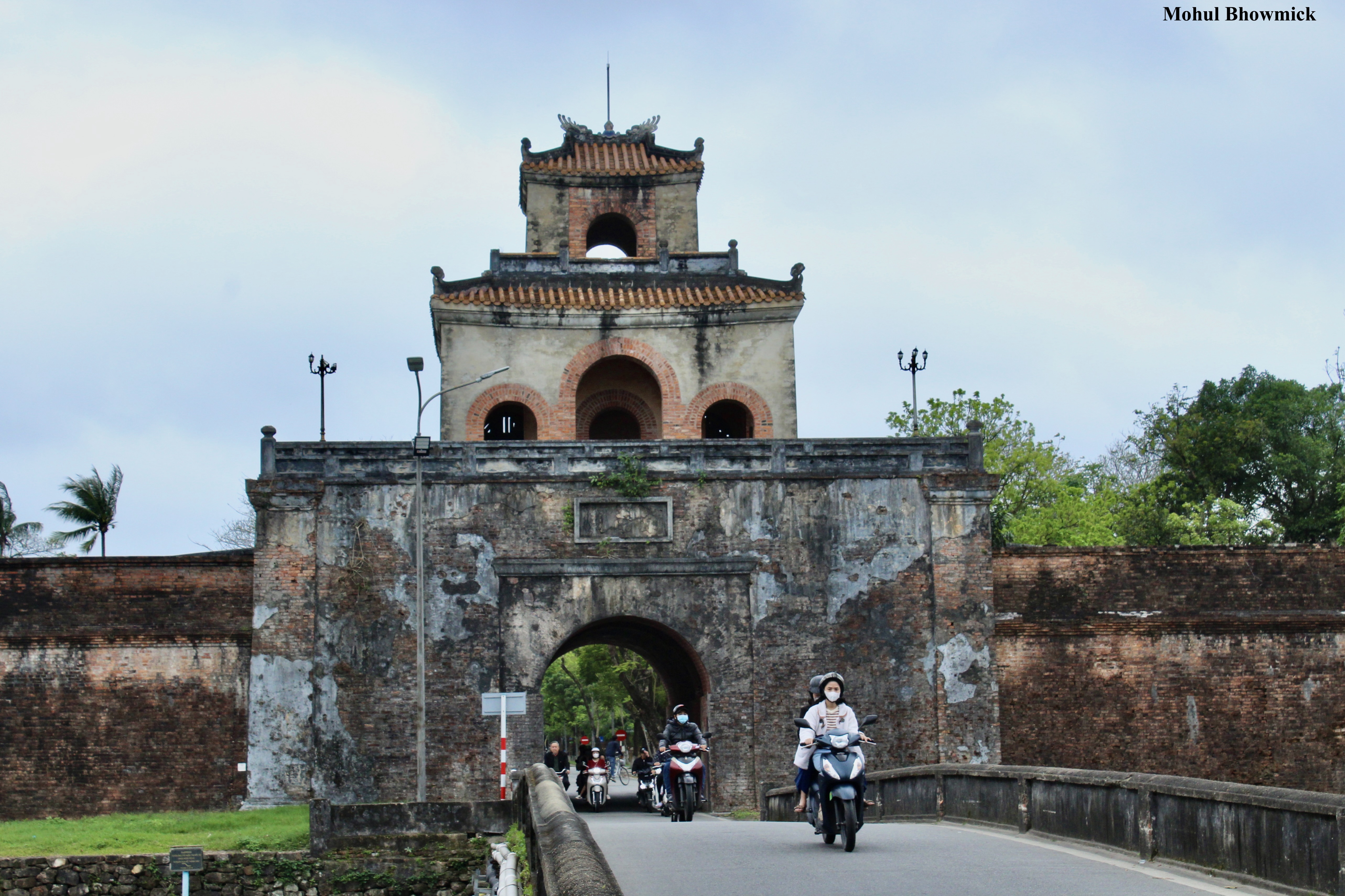
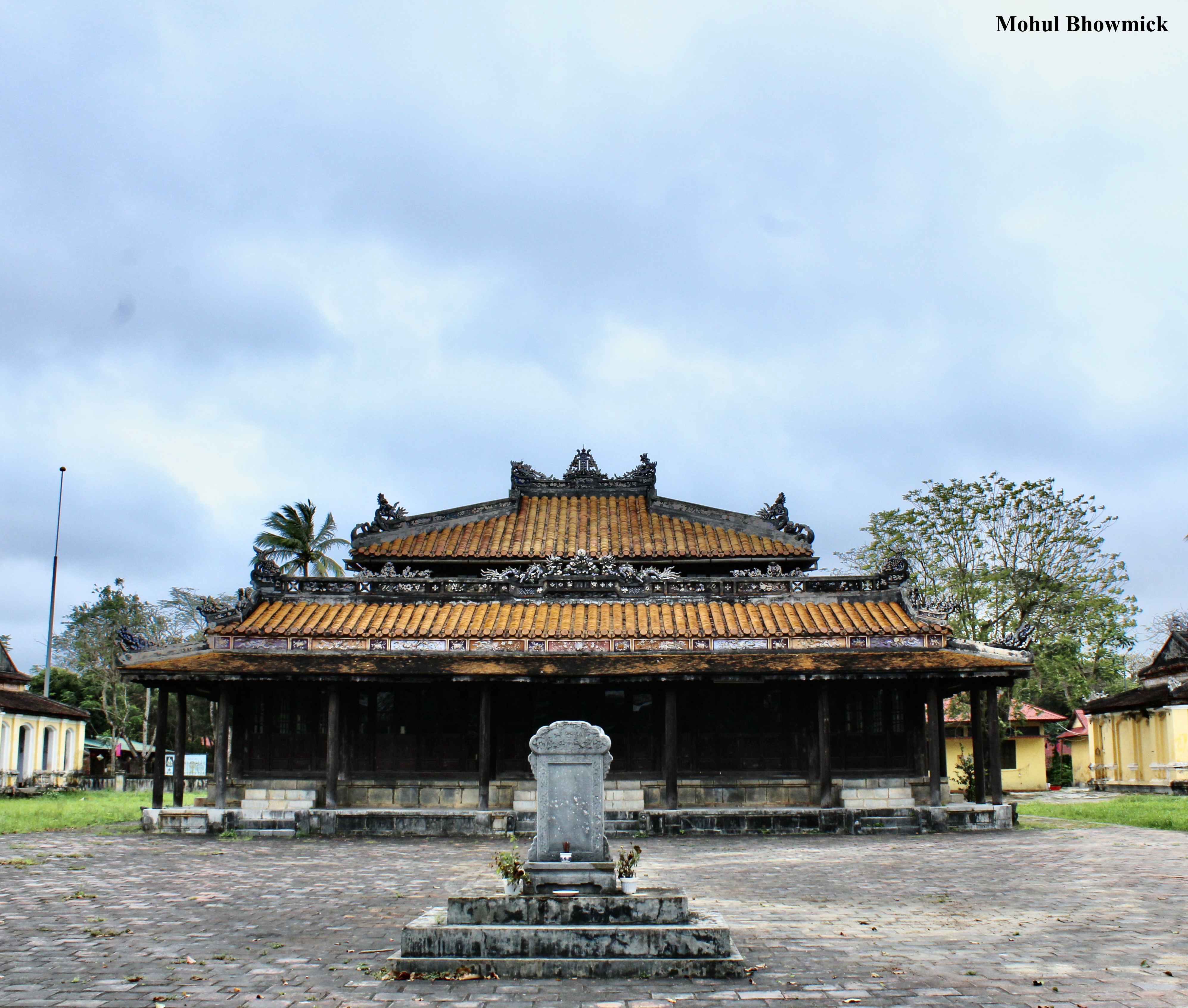
The river Perfume splits the city neatly into half, with the imperial citadel, reminiscent of the Forbidden City in Beijing located on its western ramparts. Almost everything in Hue is built around the citadel, while the eastern, more modern side of the city is where the youth gather and lurk behind shadows.
Hue is also the city of the last of the independent Nguyens, Tu Duc, an unparalleled poet who was often criticised for being a weak king. Tu Duc’s mausoleum is one of the most interesting places to visit in this city, and the Hindustani is often reminded of the stark similarities between him and our last emperor – Bahadur Shah ‘Zafar’ – who was imprisoned by the British for playing a role in instigating the First War of Independence and thence banished to Burma to spend his last days.
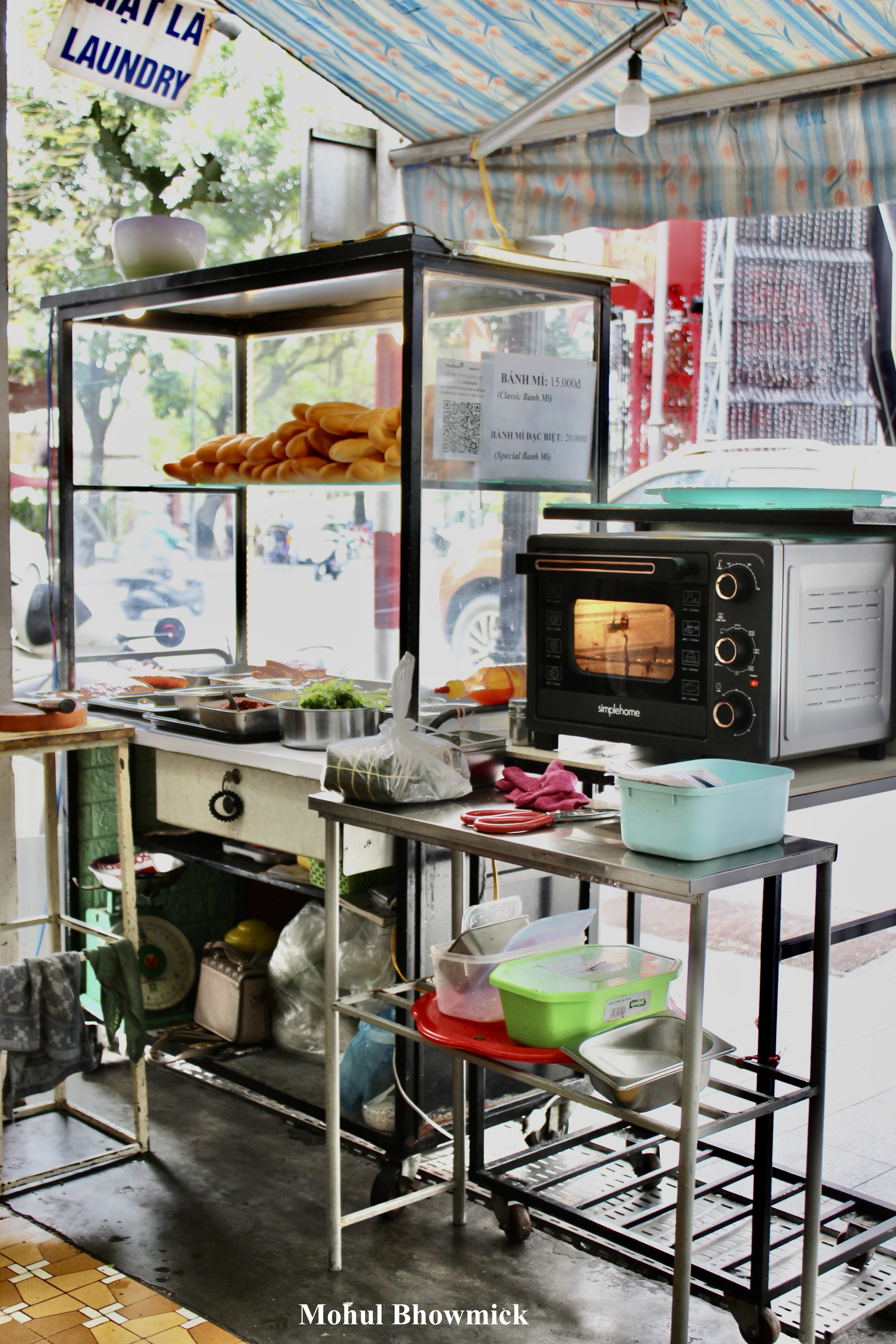
Tu Duc, like ‘Zafar’, wrote his epitaph, filled with grief at his failures and dismay at the stories he did not live to tell; his memory moved me immensely as I rowed down the Perfume a rainy evening. Tu Duc is also the reason why Hue is renowned for its gastronomic brilliance; it has surpassed all its counterparts, either to the north or south of the country, in etching space for itself in culinary brilliance – he was known to be a fussy gourmet who liked nothing better than to spend his days beside the Perfume with the food and drink of his choice.
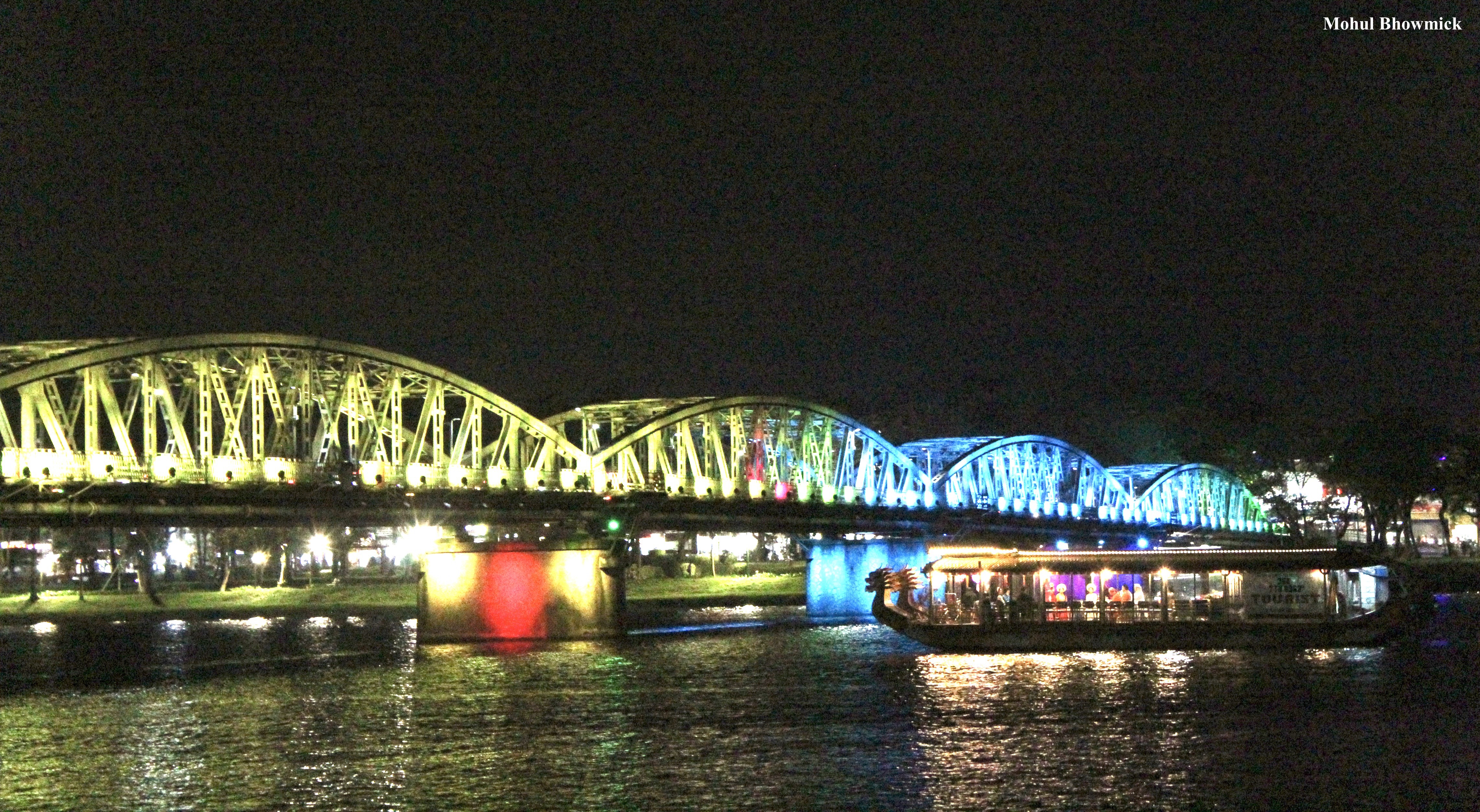
Then, of course, the French came and subjugated Vietnam. Hue became famous later, in modern history, for being the epicentre of the Tet Offensive in 1968 when North Vietnamese forces collided with the South Vietnamese army, backed by the USA, to almost reduce the city to rubble. Now, of course, the city is back on its feet, but it is hard not to feel the currents of history that have flown under the sallow bridge over the Perfume.


If you like my work, consider visiting my website to get in touch with more of my writing. You can follow me on Twitter as well. Also, sign up for the newsletter to get regular updates coming your way. I would love to talk to you!


 Soliloquy
Leave a comment