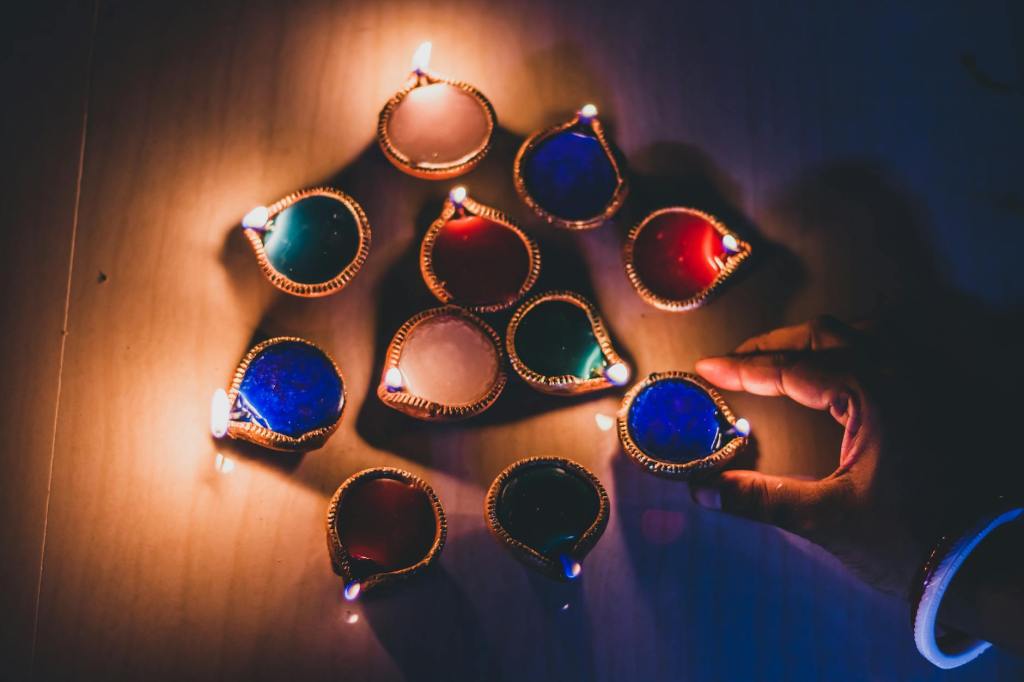
Diwali and Kali Puja would have been incomplete without the presence of the beggars – maimed or otherwise – outside the pandals, waiting in feverish expectancy to be doled out whatever conscience the pious had in their burgeoning wallets.
The glitz and glam of the rich Banarasis interwoven with the tears of weavers who fasted thirty days a year would have looked incomplete without the painful shrieks of the debilitated hijra who would have been forty had they been a year older.
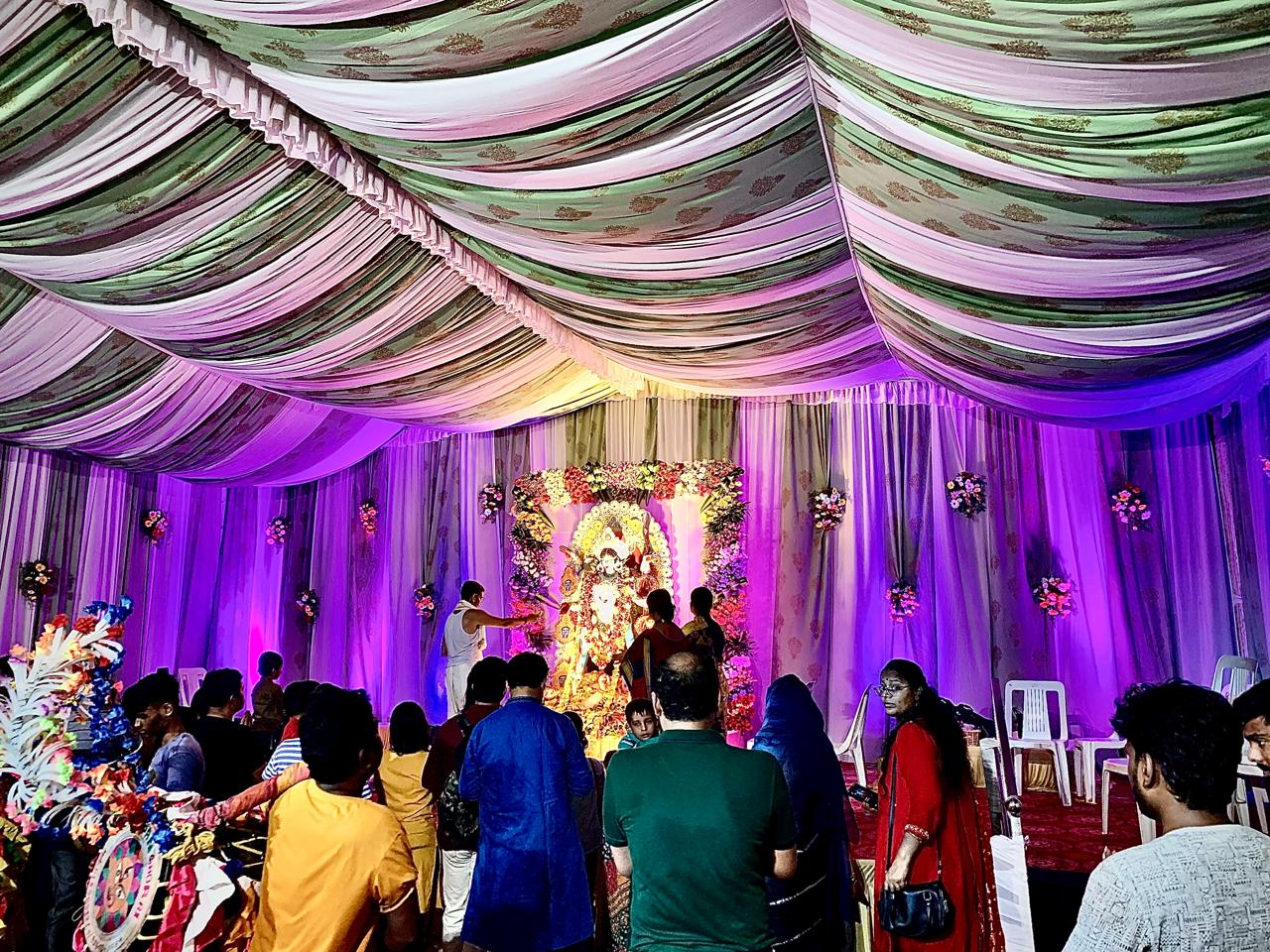
The gathering of such beggars in a banquet worth the name would give Diwali the real festive fervour it decreed, with a festival of such grand opulence to be celebrated with the ignoble lack of verity from its participants.
How could the barfi taste sweet if not for the bitter aftertaste that the karela pak gave as an appetiser? How could Hemanta Mukhopadhyay rise out of his grave had RD Burman not provided the entree to Rupam Islam’s rich-baked soiree?
To evoke such details as those that remained would have isolated Diwali to become the giant churner of merchandise and apparel it had become all over the world. India, that is Hindu, that was Sindhu, that had been Indus, would curl its lips in derision at the appendage such displays of austerity signalled.
Of Mughlai Paranthas, Egg Rolls and Vegetable Chops
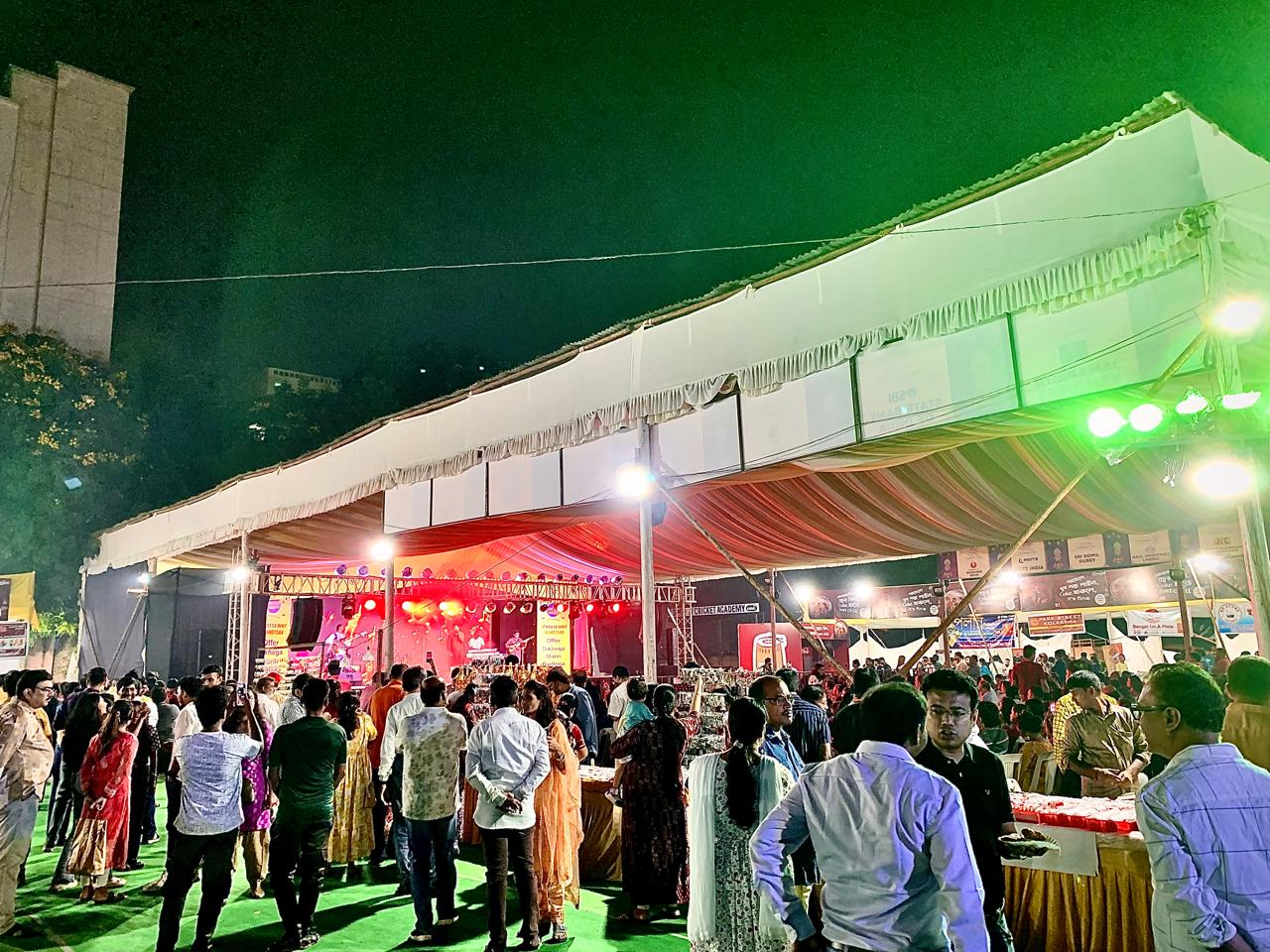
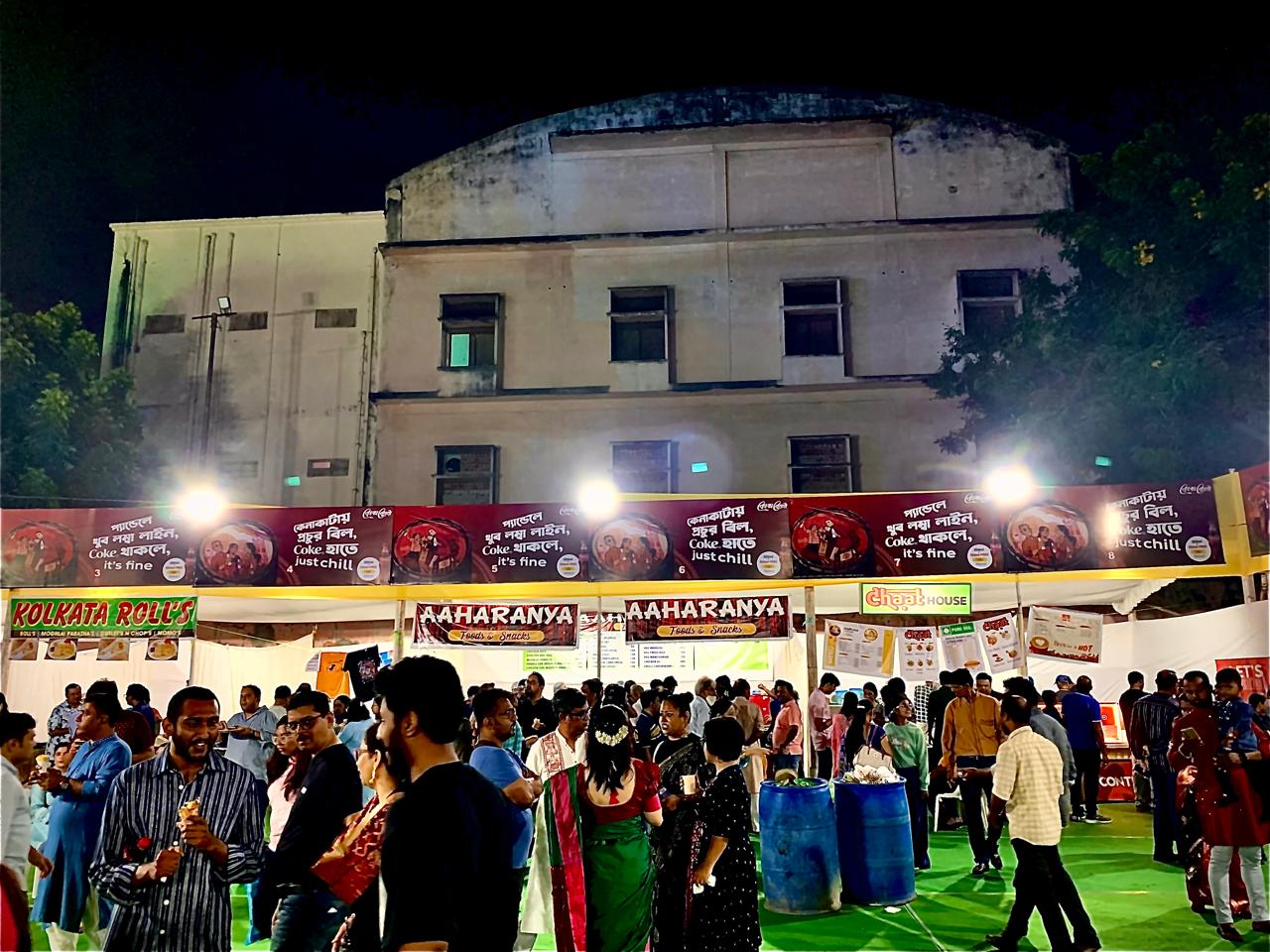
How else could the Bengali show her condescension to the Telugu if not by welcoming the latter with Jibananda Das’ least-quoted, most-reviled poems written for another country, another time? Such thoughts had no place in the pandal teeming with revellers keen on forgetting everything immaterial and gorging on the best that Roll Call, Kolkata Corner and Daawat-e-Bangla had to offer.
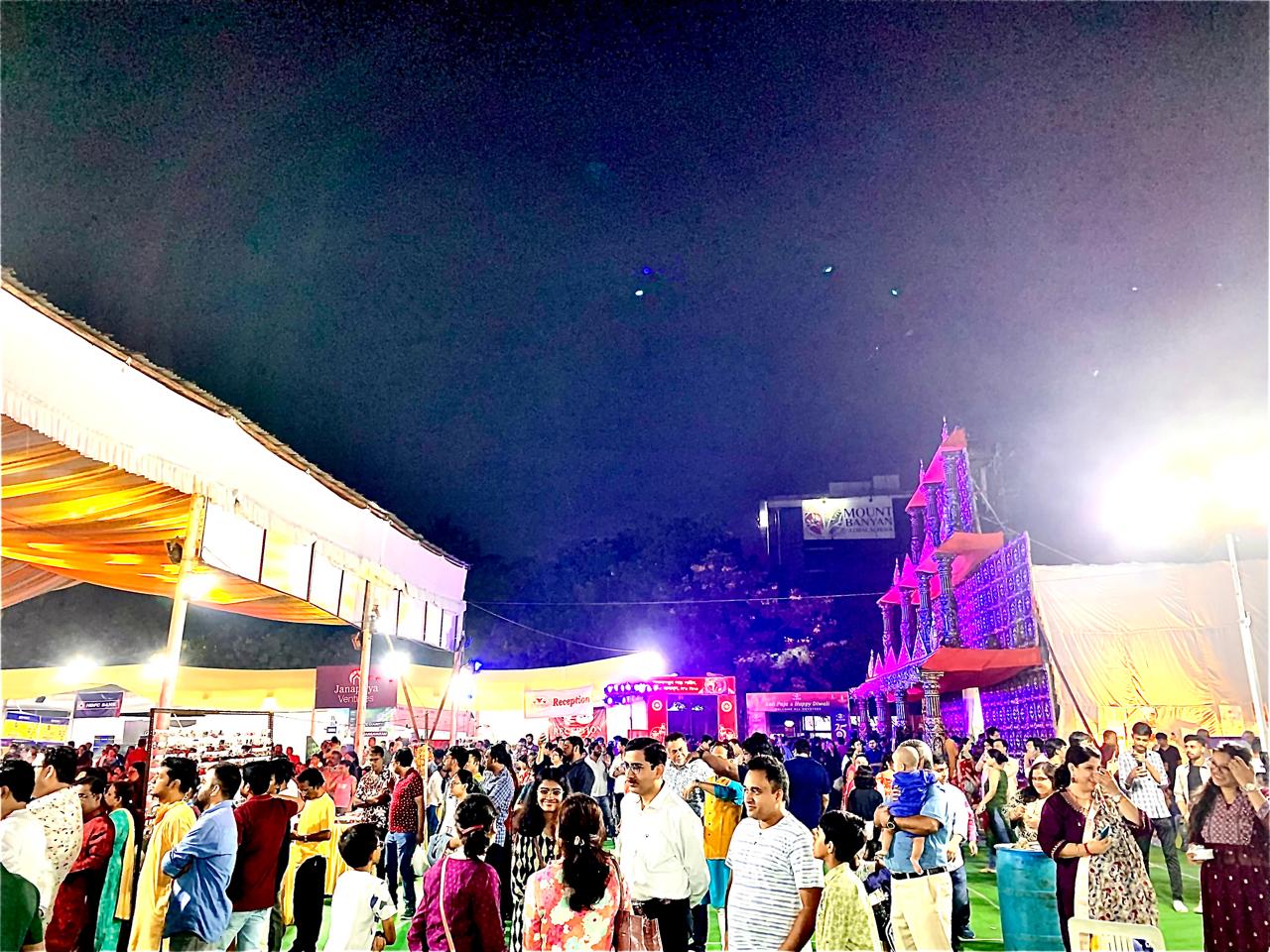
Flowing between courses and negating appearances for a warmth seldom seen by those wearing the oft-mentioned Banarasi, one wondered if the joy of Diwali was not despoiled by the ostentatious display that such poverty often brought.
The maimed hijra had to be celebrated in order to taste the Mughlai Parantha and the polio-stricken child beggar with a blinded eye, the rump of a left leg and unwashed hair had to be ignored with a deft look to the other side of the road where the phuchka seller lie in wait. You had to go to Ameerpet to see the Sikhs who still stayed aloof from Canada.
If you like my work, consider visiting my website to get in touch with more of my writing. You can follow me on Twitter as well. Also, sign up for the newsletter to get regular updates coming your way. I would love to talk to you!


 Soliloquy
Leave a comment