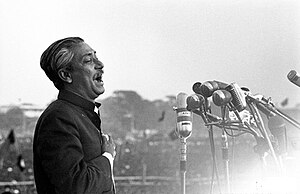
That Sheikh Hasina is no demagogue is something even her fiercest rivals will agree upon, but what her oratory focused upon the non-participants of the Bangladesh Liberation War of 1971 has wrought is clear for all to see. However, to say that the tragedy unfolding in India’s eastern neighbouring country at the moment is purely the work of a student body rising against the elite would be foolhardy at best.
Bangladesh, created by India and as some might say, for India, has risen in revolt strongly against the daughter of the tall leader who won them their freedom and seems capable enough of burning itself to a cinder if given the decree to do so. Muhammad Yunus, installed by the military as a puppet to replace Hasina at the helm, is no politician, although his Nobel Prize-winning credentials give the layman the impression that he is.
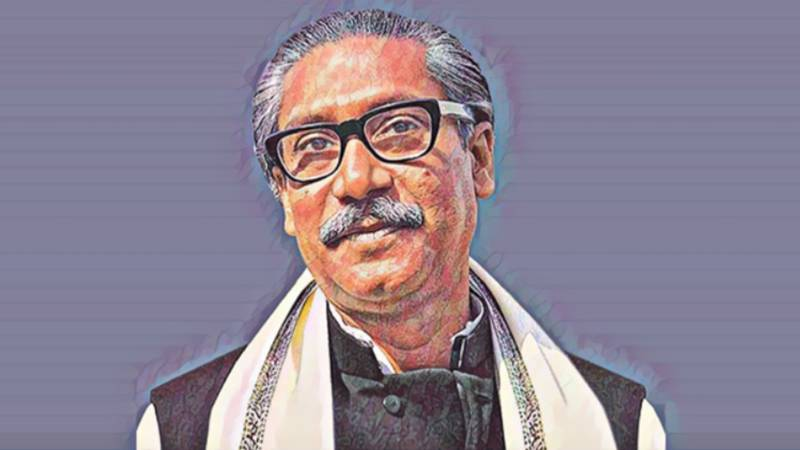
The biggest challenge that lies ahead for the octagenarian now is to calm the sentiments of the anti-Awami League public down and provide them with the right octaves to harp upon while he scrambles together a majority to hold his own in government. It is not difficult to say that he may face the wrath of the Bengali mob, roused to become passionate as easily as they give in to the temptation of a nap on Sunday afternoon if he fails to play to the gallery. In short, he is torn between the devil and the sea.
Hasina’s sprinting to get away from the riots in her country and seeking refuge in the Hindon air base near New Delhi may have given the Indian political class holes to pick in their foreign diplomatic policy, especially given the kind of treatment that the Hindu minority is being meted out in the absence of law and order in Bangladesh. There is, however, more than meets the eye – in the Indian context if one were to be so bold – and the land in the east cannot afford to antagonise their elder brothers.
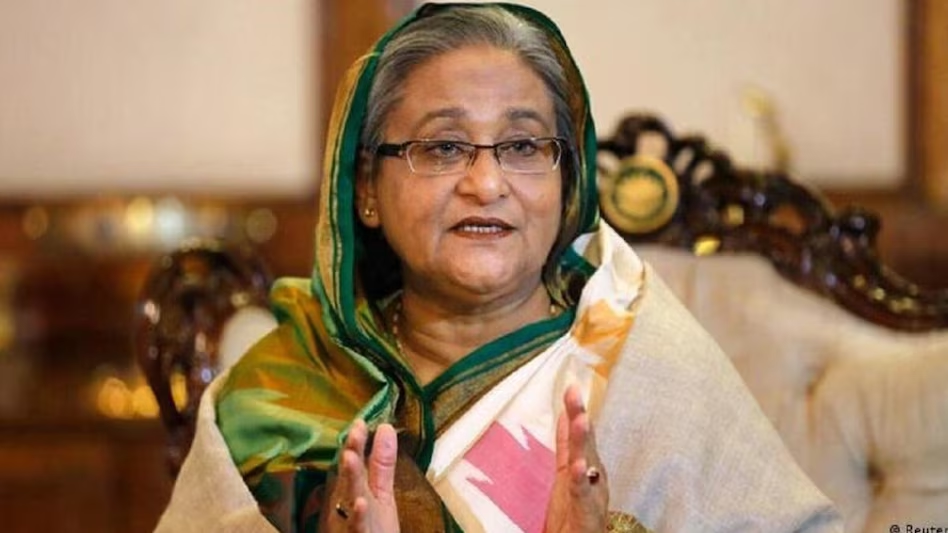
That Bangladesh’s politically ousted mob could turn against the father of their nation in a half-century’s time since their liberation is a testament to the fact that history does not always remember the victors kindly. His assassination in 1975, barely four years after Independence, pointed towards dissent of a half-baked sort, and the League’s political rivals may now have struck the death blow with Hasina’s departure. The latter is, however, Mujeeb’s daughter after all, and will be expected to come back strongly in this game of political manoeuvres.
If you like my work, consider visiting my website to get in touch with more of my writing. You can follow me on Twitter as well. Also, sign up for the newsletter to get regular updates coming your way. I would love to talk to you!


 Soliloquy
Leave a comment